
At Umbricia, we design websites for service businesses throughout Caledon that prioritize communication, user experience, trust, and long-term business growth. We believe websites should not be judged solely by how they look. They should be judged by how effectively they communicate value and support the people using them.


In the physical world, businesses invest heavily in the environments customers interact with. Offices are maintained, reception areas are organized, and storefronts are carefully designed because first impressions influence perception. Before a customer experiences a service, they experience the business itself.
Websites now serve a similar role online. For many businesses, the website is the first opportunity to establish trust, communicate value, and answer customer questions. Prospective customers often form opinions about a business before any direct interaction has taken place.
A neglected storefront creates doubt. A confusing storefront creates frustration. A beautiful storefront that fails to communicate value can still fail to attract customers. The same principles apply online.

A website is not merely a digital brochure or an online business card. It is often the primary environment through which customers evaluate whether a business deserves their trust. When designed properly, it becomes a powerful communication tool.


One of the most common mistakes businesses make when building a website is focusing on visual design before defining what the website actually needs to accomplish. Conversations frequently begin with questions about colours, animations, layouts, and trends. While these elements certainly matter, they are rarely the most important decisions a business can make.

More important questions include: What value does the business provide? What problems does it solve? What information are customers searching for? What concerns or objections need to be addressed? What action should visitors take next?
These questions form the foundation of effective web design because websites exist to communicate. Design should support communication, not replace it.
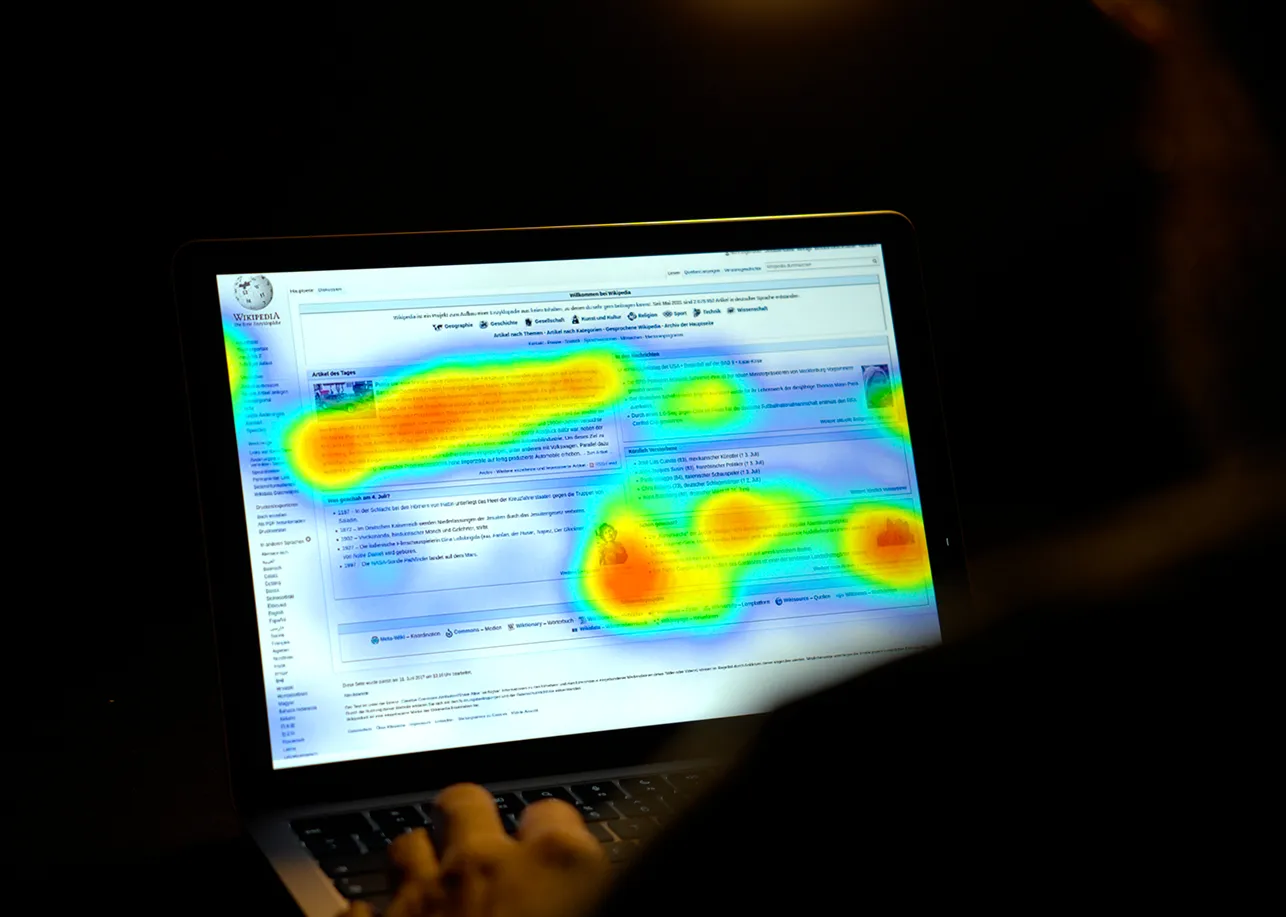
A website can be visually impressive and still fail. It can be modern, stylish, and highly animated while leaving visitors confused about what the business actually does. When that happens, the design is no longer helping the business achieve its goals.
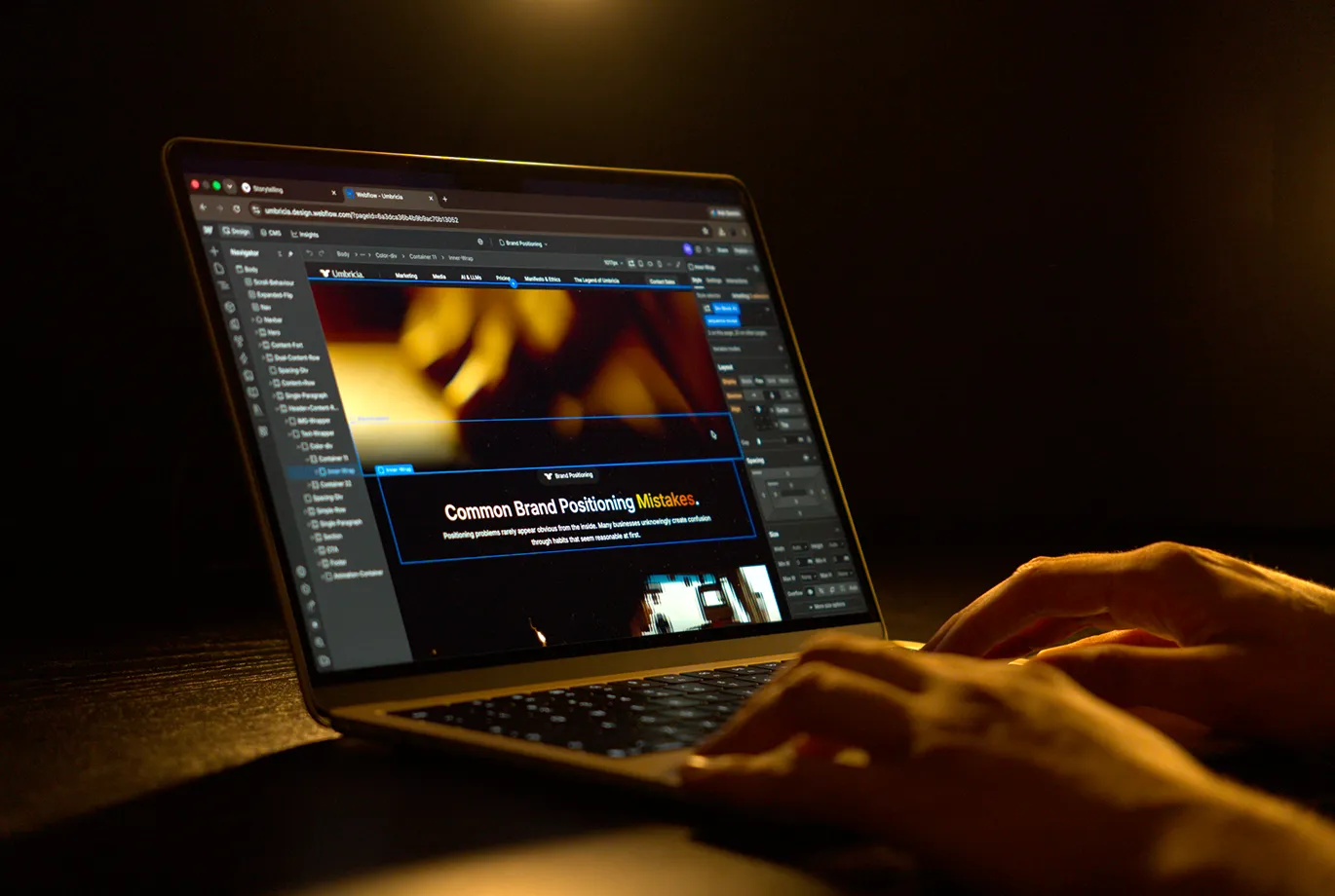
The strongest websites begin with purpose. Visual design becomes significantly more effective when it is built upon a clear understanding of the customer, the business, and the information that needs to be communicated.
Web design is the process of planning, organizing, and presenting information within a website in a way that helps visitors understand a business and interact with it effectively. Many people associate web design exclusively with aesthetics. In reality, web design encompasses far more than visual appearance. It involves information architecture, content hierarchy, navigation systems, user behaviour, accessibility, mobile usability, and conversion strategy.
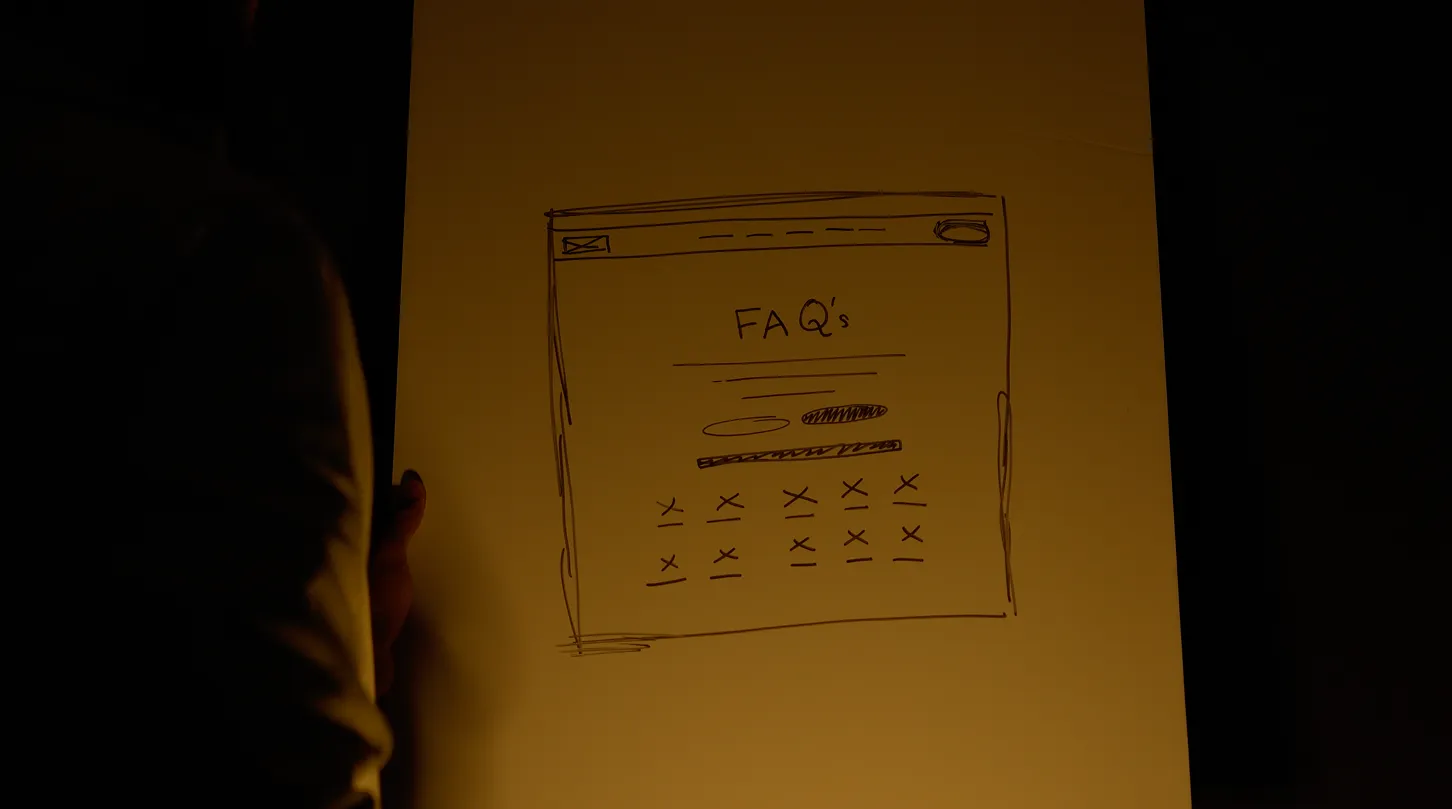
A successful website helps visitors answer several important questions quickly: Who is this business? What does it do? Who does it serve? Why should I trust it? What should I do next? When these questions are answered clearly, visitors are more likely to continue engaging with the business.
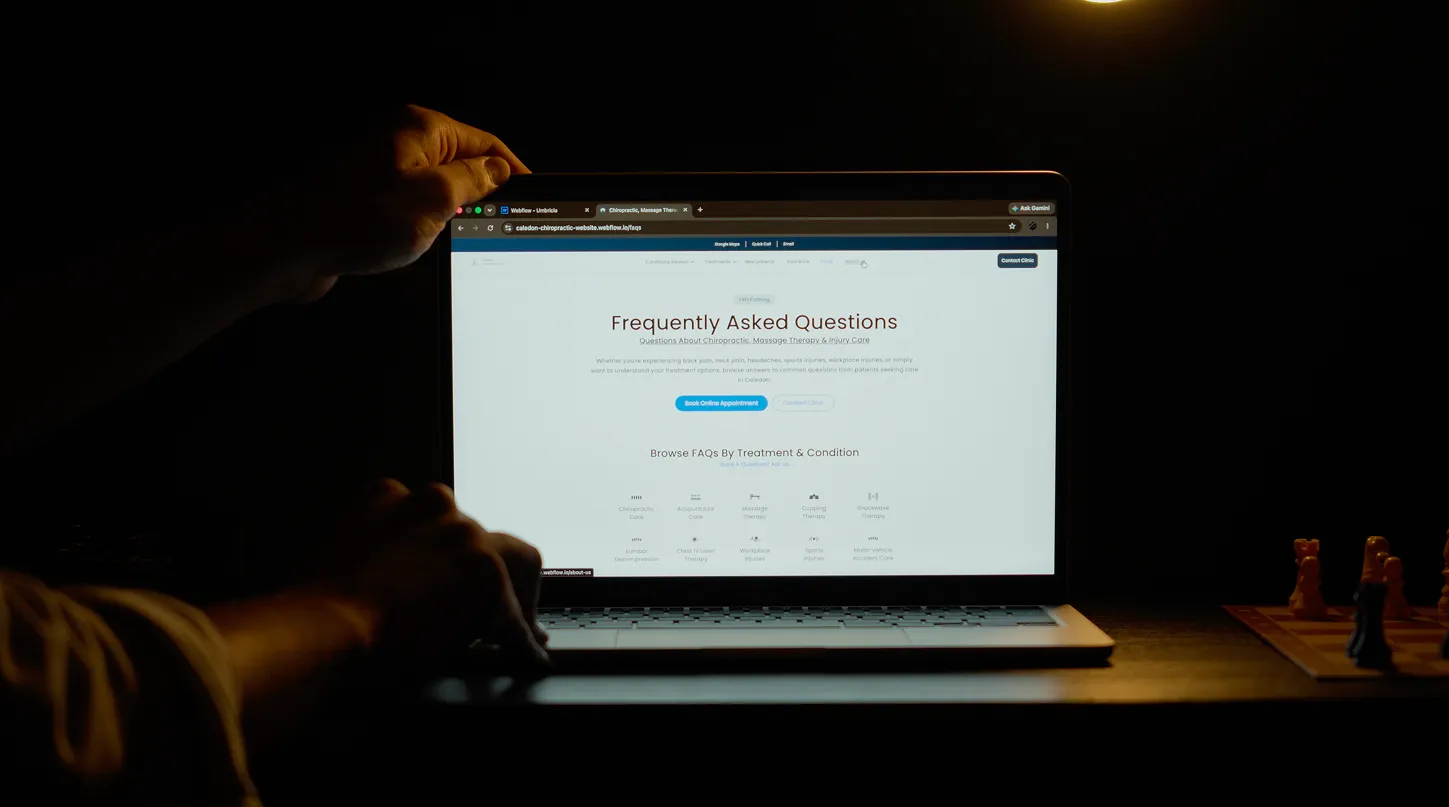
When they remain unanswered, uncertainty increases and trust begins to diminish. Good web design reduces confusion. It helps visitors find information efficiently, understand value more quickly, and move forward with confidence. In that sense, web design is less about decoration and more about communication.

User Interface, commonly referred to as UI, describes the visual elements people interact with throughout a website. Navigation menus, buttons, forms, typography, icons, layouts, and interactive components all contribute to the user interface. UI design influences how information is presented and how visitors interact with that information. A well-designed interface creates consistency throughout the website, making it easier for users to understand where they are, what they are looking at, and how to proceed.
Good user interfaces reduce friction. Visitors do not have to think about how to use the website because the experience feels intuitive. Navigation is predictable, actions are clearly presented, and important information is easy to locate.

Poor user interfaces often have the opposite effect. Visitors become distracted by the interface itself rather than focusing on the information they came to find. The purpose of UI design is not simply to create something attractive. It is to create an environment that feels effortless to use.
User Experience, commonly referred to as UX, refers to the overall experience a visitor has while interacting with a website. Where user interface focuses on the visual and interactive elements of a website, user experience focuses on how those elements work together to create a seamless journey.
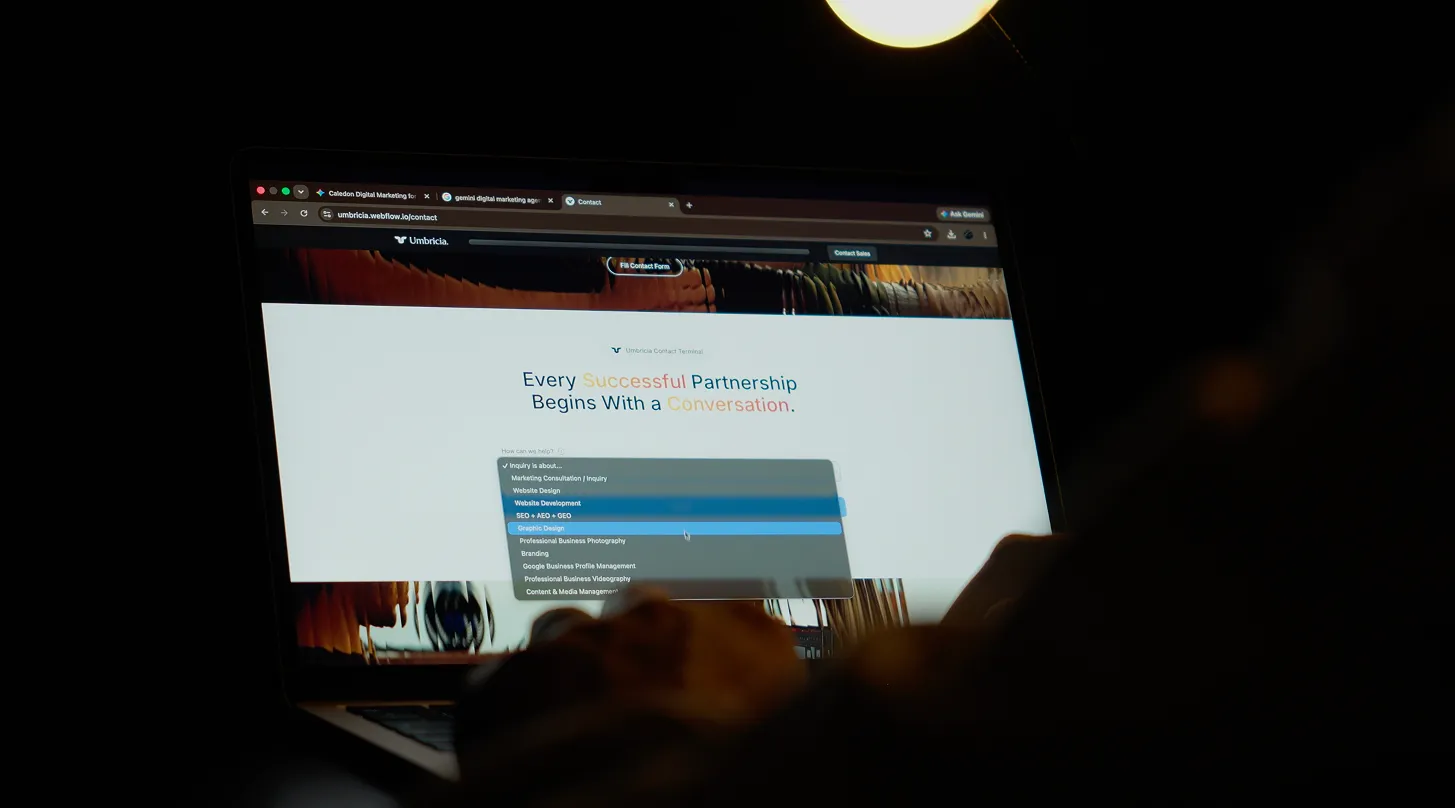
A visitor should be able to find information quickly, understand the business clearly, navigate naturally, and complete desired actions without confusion. When these things happen consistently, the website delivers a positive user experience.

One of the most common misconceptions about UX is that it only applies to large technology companies or complex applications. In reality, every website creates a user experience, whether intentionally or unintentionally. The question is whether that experience supports the user or frustrates them.

When user experience is designed thoughtfully, visitors rarely notice it because everything feels intuitive. Information appears where it is expected, actions feel natural, and questions are answered before frustration has a chance to develop.

Design matters. Visual identity matters. But design without positioning is like architecture without a blueprint. The foundation must come first.
Customers rarely arrive on a website ready to make a purchase. More often, they arrive looking for information. They want reassurance that they are making the right decision. They want to understand whether a business is credible, capable, and trustworthy. A website helps provide that reassurance.
Strong web design builds confidence by presenting information clearly and eliminating unnecessary friction. It supports trust by helping customers understand what a business does and why it deserves consideration.

Poor web design often produces the opposite outcome. Even exceptional businesses can appear less trustworthy when their websites create confusion or frustration. This is why web design should not be viewed as decoration.
It should be viewed as business infrastructure. Like a physical storefront, a website influences perception before a service is ever experienced. The quality of that experience can have a significant impact on whether visitors continue exploring or decide to leave.


Ultimately, the purpose of a website is remarkably simple. A website should help customers understand value, answer questions, establish trust, reduce uncertainty, and make the next step obvious. Whether that next step is requesting a quote, booking an appointment, scheduling a consultation, or contacting a business, the website should guide visitors naturally toward action.
When communication is clear, trust becomes easier to establish. When trust is established, action becomes easier to take. And when action becomes easier to take, websites begin creating measurable business value. This is the standard by which websites should be judged. Not by how impressive they look, but by how effectively they help businesses communicate, support users, and create meaningful outcomes.
Many businesses evaluate websites primarily through appearance. While aesthetics play an important role, visual design alone rarely determines whether a website succeeds. Effective websites communicate clearly, establish trust, reduce uncertainty, and help visitors move forward with confidence.
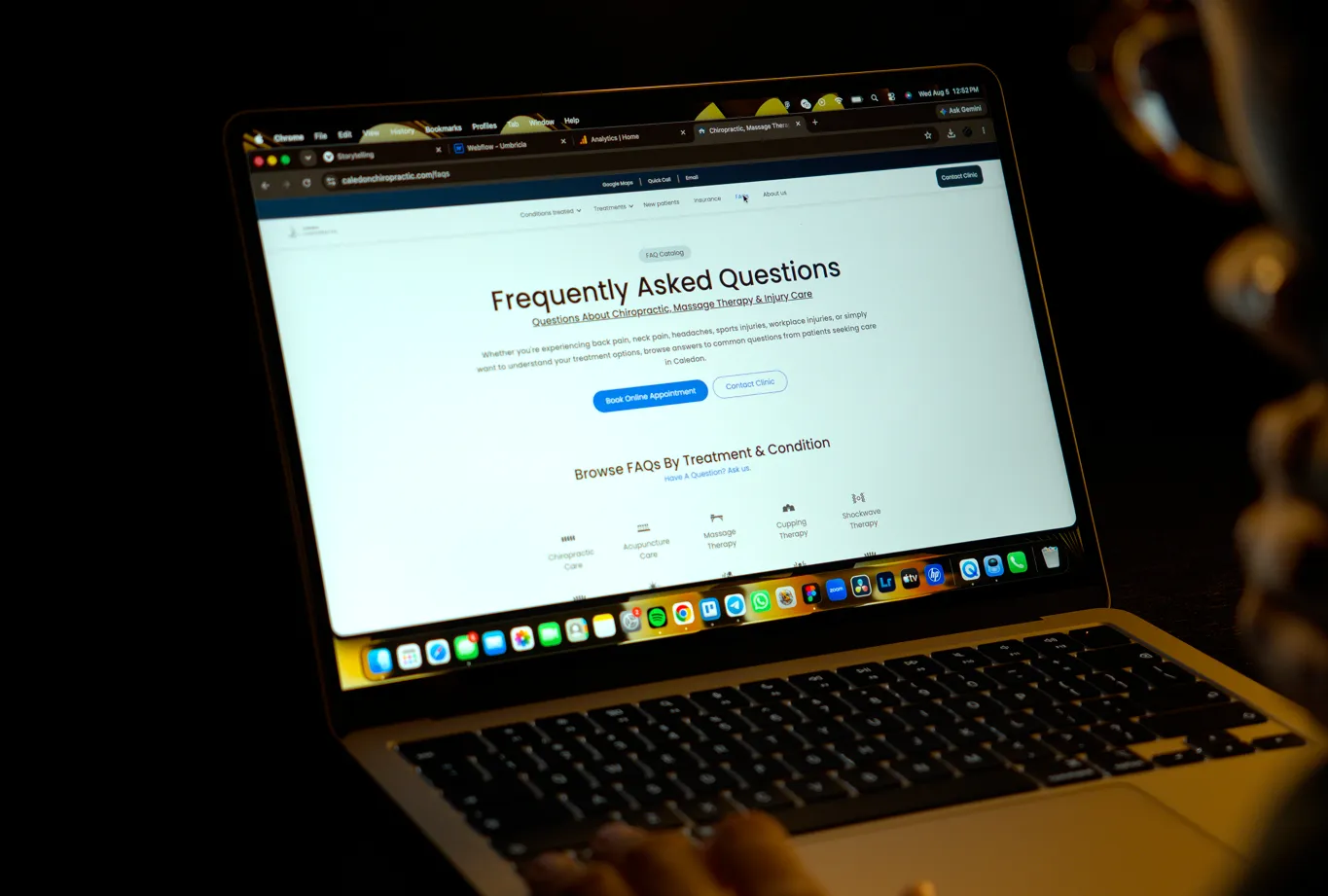
They answer questions before they become objections and provide information before frustration has a chance to develop. The strongest websites feel effortless to use because they are built around the needs of the visitor rather than the preferences of the business owner.
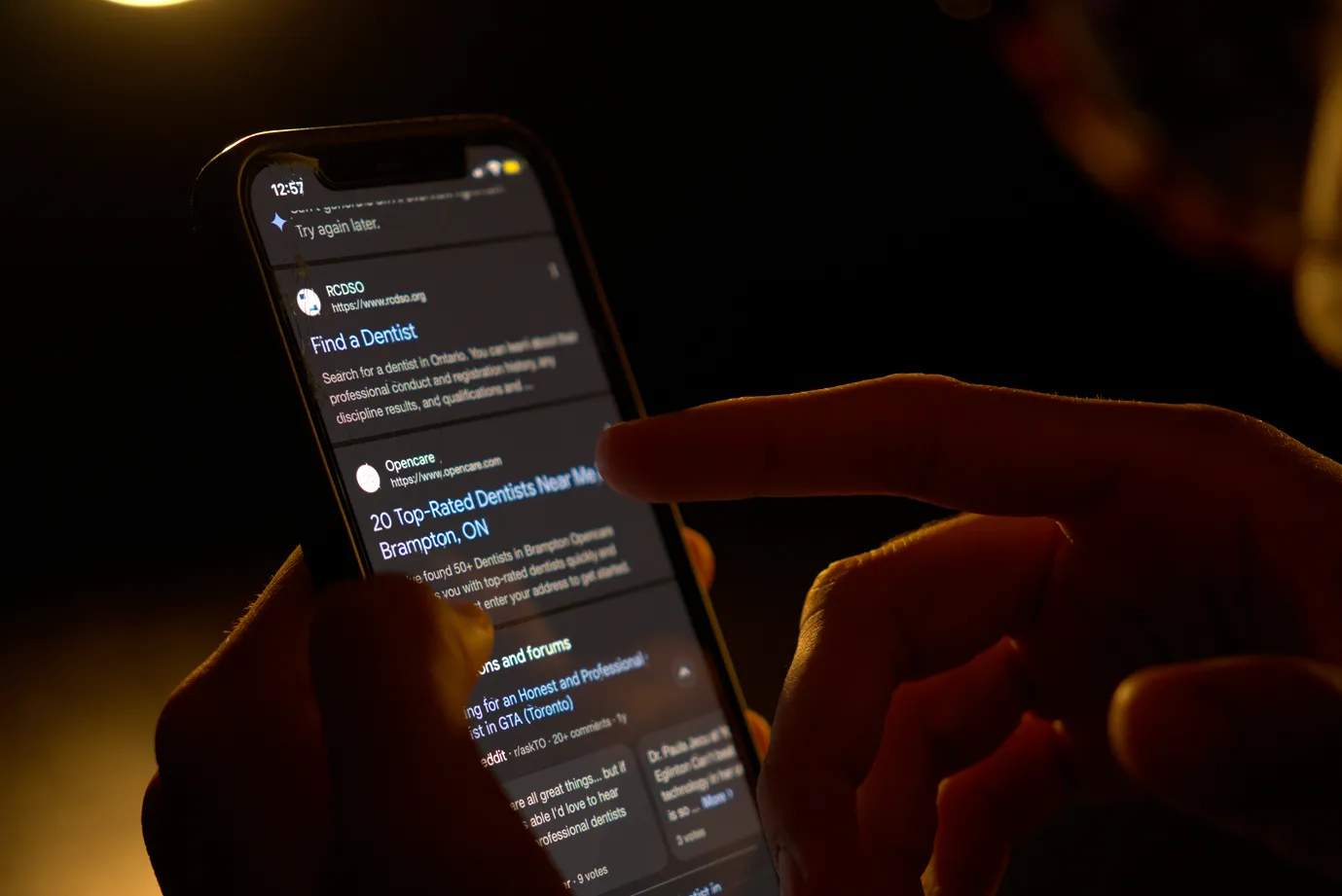
Customers do not visit a website hoping to admire its design. They visit because they are searching for information, solutions, reassurance, or guidance. They want to understand whether a business can solve their problem and whether it deserves their trust. A successful website helps them answer those questions quickly.



Most websites do not fail because the business lacks value. They fail because they create friction. Visitors arrive looking for answers and leave with uncertainty. They arrive looking for confidence and leave with confusion. While every website is different, certain mistakes appear repeatedly across industries.

Business owners often build websites around what they personally like rather than what customers actually need. The problem is that business owners already understand their company. Customers do not. Websites should be built around the questions, concerns, and decision-making process of the visitor, not the preferences of the person commissioning the design.

Some websites invest enormous effort into visual effects while neglecting the information visitors actually need. Animations, transitions, and design trends can enhance an experience, but they cannot replace communication. A website that looks impressive but fails to explain value will always struggle to perform.
Visitors should never feel lost. Navigation exists to help users move through information naturally and predictably. When navigation becomes complicated, visitors expend mental energy trying to understand the website rather than understanding the business. Every additional point of confusion increases the likelihood that a visitor will leave.
Some businesses provide so little information that visitors cannot make informed decisions. Customers often have legitimate questions before they are ready to make contact. If a website fails to answer those questions, uncertainty remains and trust becomes more difficult to establish.
The opposite problem is equally common. Businesses sometimes overwhelm visitors with large amounts of poorly organized content. Important information becomes buried, priorities become unclear, and users struggle to identify what matters most. The solution is not less information. The solution is better structure.



For many businesses, most website visitors now arrive through mobile devices rather than desktop computers. Despite this reality, many websites are still designed desktop-first and adapted for mobile later. At Umbricia, we believe the opposite approach makes more sense. We begin by asking how the website will function on a phone because that is where many users will experience it for the first time.
Designing for mobile requires prioritization. Space is limited. Attention is limited. Every element must justify its presence. Navigation must remain intuitive. Information must remain accessible. Actions must remain obvious. A website that works exceptionally well on mobile often performs well across all devices. The reverse is not always true.

Many businesses associate premium design with visual trends, expensive animations, or highly complex interfaces. In reality, the qualities that make a website feel premium are often much simpler. Premium websites feel clear. Premium websites feel intentional. Premium websites feel trustworthy. Premium websites feel easy to use.
Visitors rarely describe these qualities directly. Instead, they describe how the website made them feel. Confident. Comfortable. Informed. Certain. These reactions are not accidents. They are the result of thoughtful decisions regarding structure, hierarchy, typography, spacing, imagery, and user experience.
The best websites rarely force users to think about the website itself. Instead, they allow visitors to focus entirely on the information, products, services, or solutions being presented. That is often the hallmark of truly premium design.

One of the most important functions of a website is establishing trust. Customers rarely arrive ready to commit. Before making contact, they are often evaluating whether a business appears credible, capable, and professional. Every page, image, headline, testimonial, and design decision contributes to that evaluation. A website should help reduce uncertainty. It should answer common questions, demonstrate expertise, and provide evidence that a business is capable of delivering on its promises.
Trust is not created through a single design element. It emerges from consistency. Clear communication builds trust. Professional presentation builds trust. Useful information builds trust. Proof builds trust. When these elements work together, visitors begin feeling confident in the business behind the website. When they are absent, uncertainty often takes their place.

At Umbricia, we believe web design is closely connected to recognition. A website is often one of the most important places a business communicates who it is, what it stands for, and why customers should choose it. When those messages are communicated clearly and consistently, recognition becomes easier to build. Many businesses struggle because the value they provide is not being communicated effectively. Their expertise exists. Their service quality exists. Their customer relationships exist. Yet the market struggles to understand what makes them valuable. A website helps close that gap.
Recognition should not be built upon gimmicks, trends, or short-term attention. It should be built upon genuine value communicated effectively over time. When customers consistently encounter clear messaging, strong experiences, and useful information, recognition begins to compound. This principle sits at the centre of how we approach web design.
Many businesses view websites as separate from their broader marketing efforts. In reality, websites sit at the centre of nearly every marketing activity taking place around them. Advertising drives visitors to websites. Search engines drive visitors to websites. Content drives visitors to websites. Social media drives visitors to websites. Reputation often leads visitors to websites. The website is where many of those efforts ultimately converge.
This is why a weak website can undermine otherwise successful marketing. A business may generate traffic through advertising. It may attract visitors through search engines. It may create excellent content. However, if the website fails to communicate value or support user experience, those opportunities are often lost. Strong marketing requires a strong foundation. For many businesses, the website is that foundation.
One of the most common misconceptions in web design is the belief that a new website can solve deeper communication problems. It cannot. If a business struggles to explain what it does, who it serves, and why customers should choose it, those issues will simply appear on a newer website. Design cannot compensate for a lack of clarity.
This is why brand positioning and web design are closely connected. Positioning establishes the message. Web design helps communicate that message. One provides the foundation. The other provides the structure. When both work together, businesses create experiences that feel coherent, trustworthy, and memorable.
Our approach to web design begins with understanding the business itself. Before layouts are explored, before colours are selected, and before visuals are considered, we seek to understand the value the business provides and the people it serves. This process allows us to identify the questions customers are asking, the concerns they have, and the information they need in order to make confident decisions.
Once that foundation exists, design becomes significantly more effective. Visual design is no longer guessing. User experience is no longer guessing. Content is no longer guessing. Each decision supports a clearly defined objective. Our goal is not simply to create websites that look impressive. Our goal is to create websites that communicate effectively, support users, and contribute meaningfully to business growth.

Many websites are designed for desktop screens first and adapted to mobile devices later. We believe this approach often overlooks how people actually use the internet. For many businesses, the majority of visitors arrive through mobile devices. The first experience a customer has with a website is frequently through a phone rather than a desktop computer.
This reality influences how we approach design. We ask how information will be consumed on a smaller screen. We consider how navigation will function with a thumb rather than a mouse. We evaluate whether actions remain obvious when space becomes limited. By prioritizing the mobile experience early, we help ensure websites remain effective regardless of how they are accessed.
Good design supports conversion by improving communication, reducing uncertainty, and making actions easier to take. While design alone does not guarantee results, it plays an important role in supporting business objectives.
Every project is different. Timelines depend on factors such as project scope, content requirements, functionality, and the complexity of the website being developed.
User experience influences how easily visitors can find information, understand a business, and complete desired actions. Strong user experience reduces friction and helps create confidence.
A professional website helps establish credibility, communicate value, and provide customers with information they need to make decisions. For many businesses, it serves as one of the most important digital assets they own.
Yes. Websites play a significant role in shaping perception. Clear communication, useful information, professional presentation, and proof of expertise all contribute to trust.
User Interface (UI) focuses on the visual and interactive elements of a website. User Experience (UX) focuses on the overall experience a visitor has while interacting with those elements.
If your current website struggles to communicate what makes your business valuable, it may be time to rethink the foundation it is built upon.
