
Every name has a story. Ours begins nearly two thousand years ago in the ancient Roman city of Pompeii. While the world has changed dramatically since then, the reason we chose the name Umbricia has very little to do with history itself and everything to do with a timeless principle: meaningful businesses deserve to be remembered.
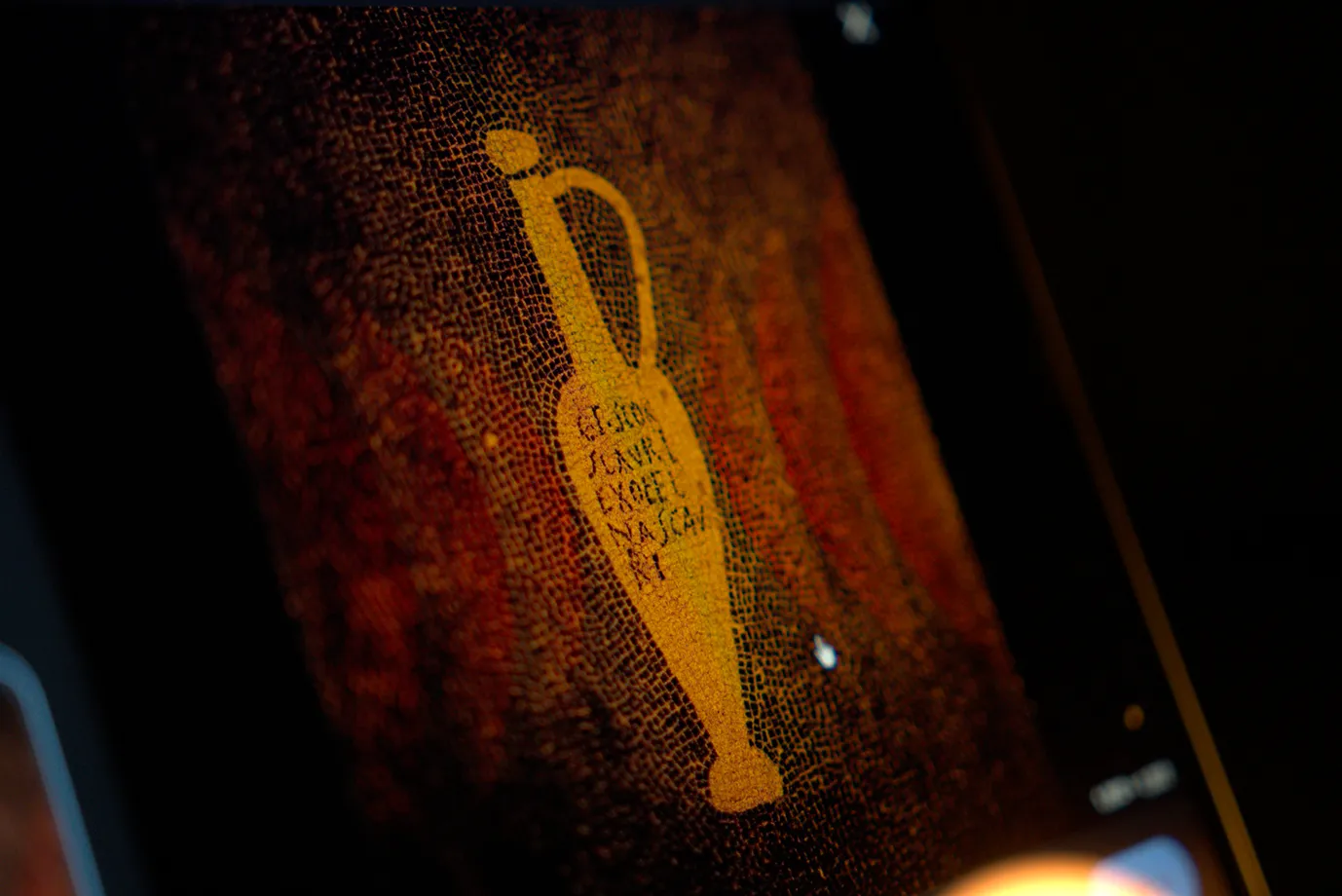

The name Umbricia is inspired by Umbricia Fortunata, a Roman businesswoman who lived in Pompeii during the first century AD. Historical evidence suggests she was associated with the production and trade of garum, a fermented fish sauce that was one of the most valuable and widely traded food products of the Roman world...
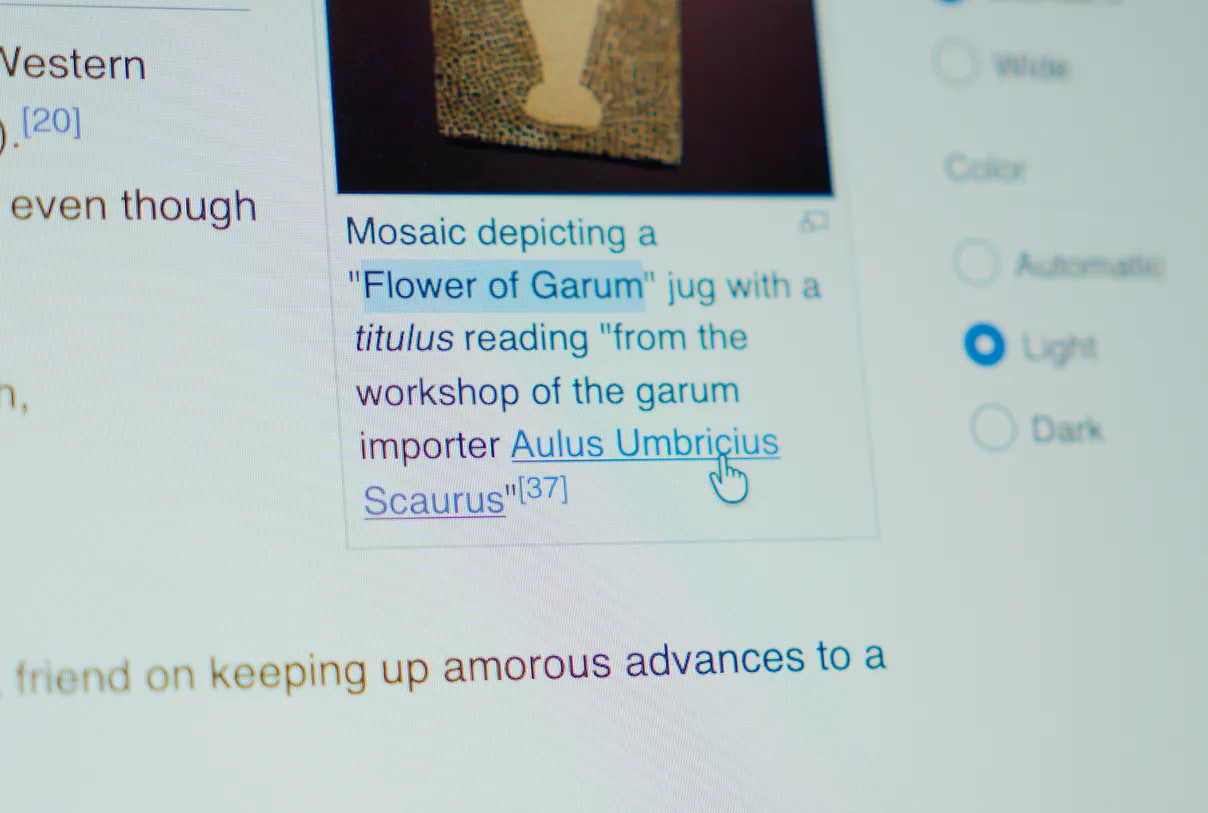
Garum was exported throughout the empire and became an important commercial industry, with certain producers becoming well known for the quality of their products.

Although nearly two thousand years separate our world from hers, one detail has always stood out to us. We still know her name.
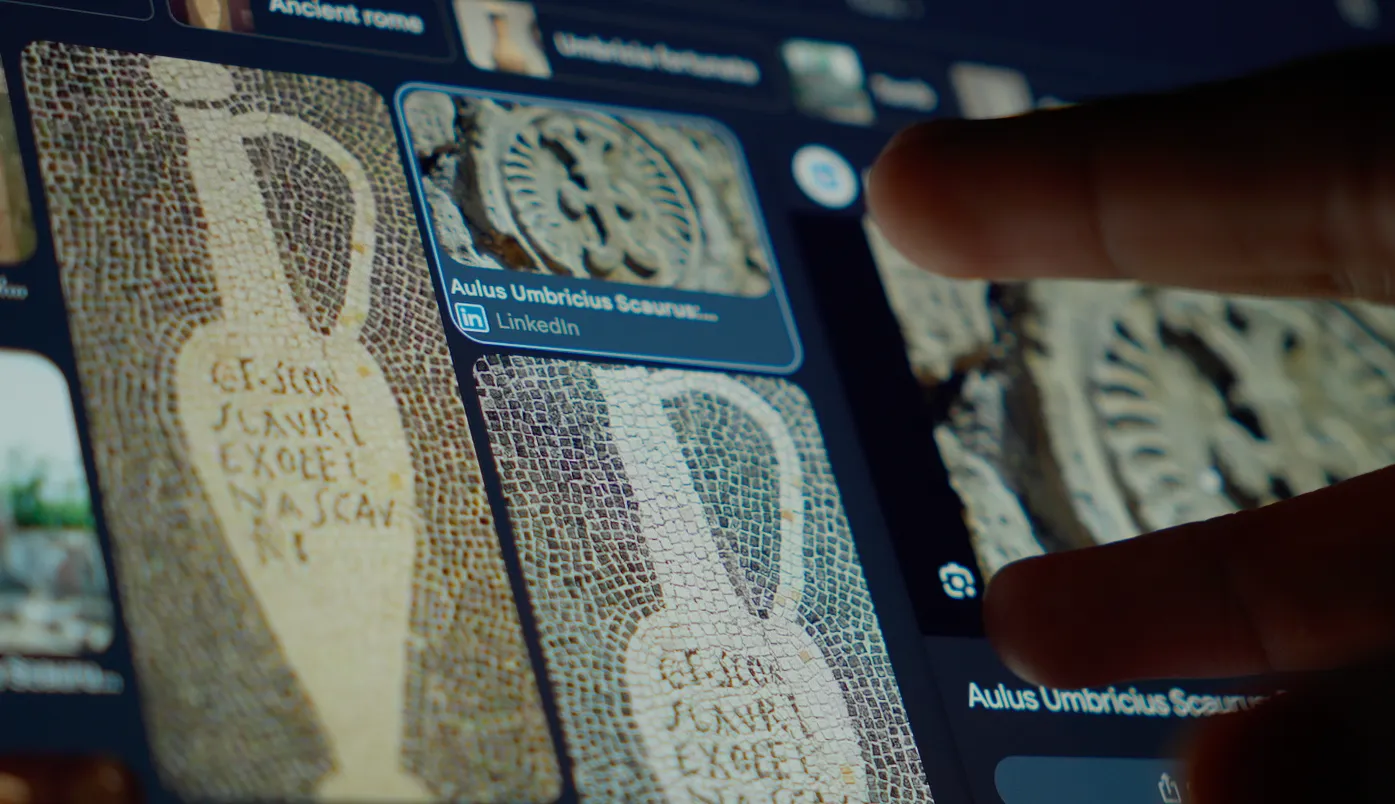
For most businesses throughout history, time quietly erases their existence. Buildings disappear. Products disappear. Owners are forgotten. Entire companies vanish without leaving a meaningful trace behind.

Yet the name Umbricia Fortunata survived. Not because she ruled an empire. Not because she commanded an army. Not because she held political power.
She is remembered because she built something of value, and history preserved evidence of the business she helped create.
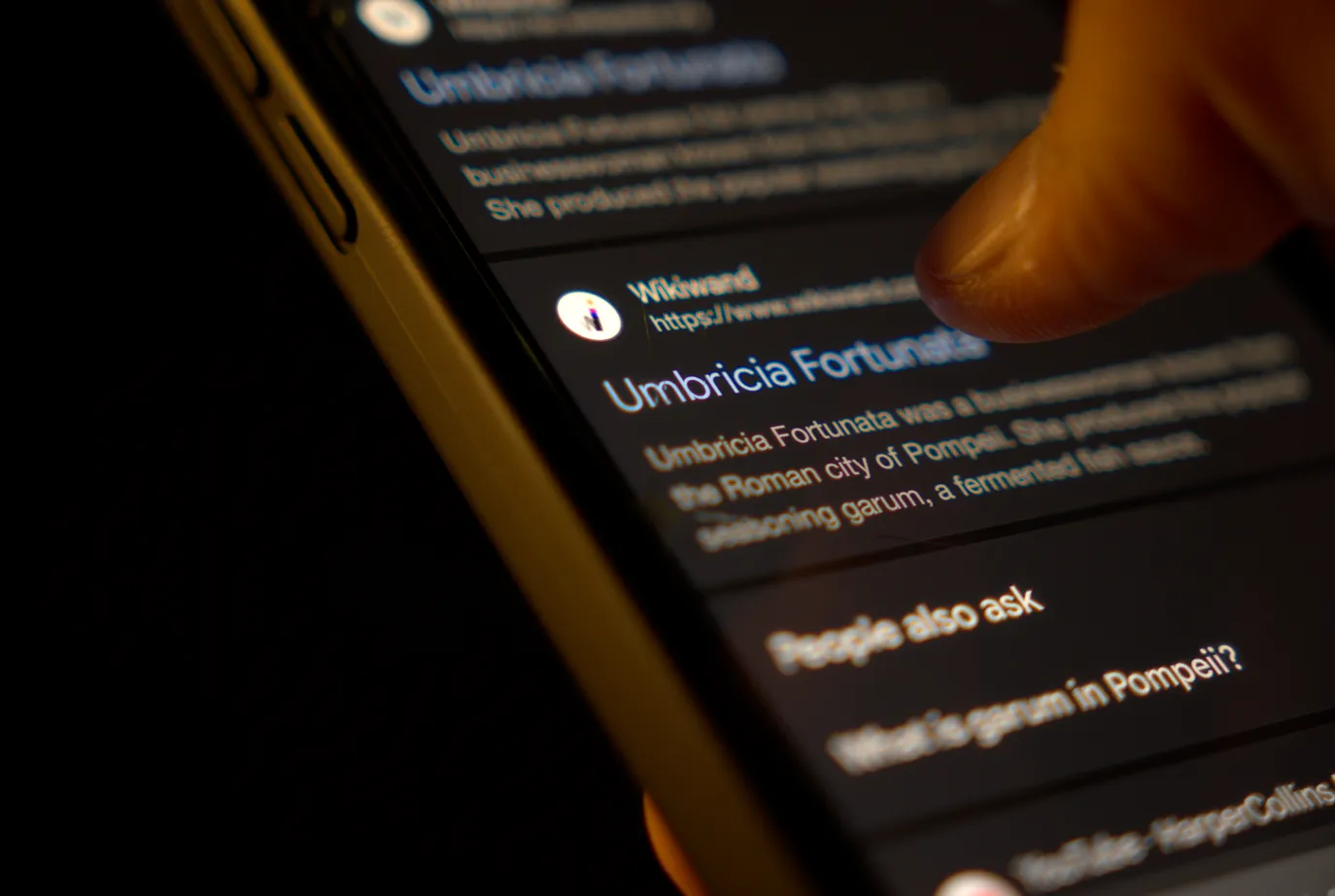
Whether through inscriptions, archaeological discoveries, or surviving records from Pompeii, her name continues to be discussed by historians nearly twenty centuries later. That simple historical fact became the inspiration behind our own.



It would be easy to look at this story and conclude that it is simply about ancient Rome. To us, it is not. It is a story about business. It is a story about craftsmanship. It is a story about reputation. Most importantly, it is a story about recognition.


Long before search engines, websites, advertising, or artificial intelligence, businesses still faced a remarkably familiar challenge. They needed to communicate value. They needed to earn trust. They needed to distinguish themselves from competitors. They needed people to recognize the quality of what they offered. The tools have changed dramatically. Human nature has not.
That realization became the foundation of Umbricia. While we build modern digital brands using websites, search strategy, artificial intelligence, content, storytelling, and media, the underlying objective remains surprisingly timeless. Every business wants to be understood. Every business wants to earn trust. Every business wants to become known for something meaningful. Recognition has always been valuable. The methods evolve. The principle endures.
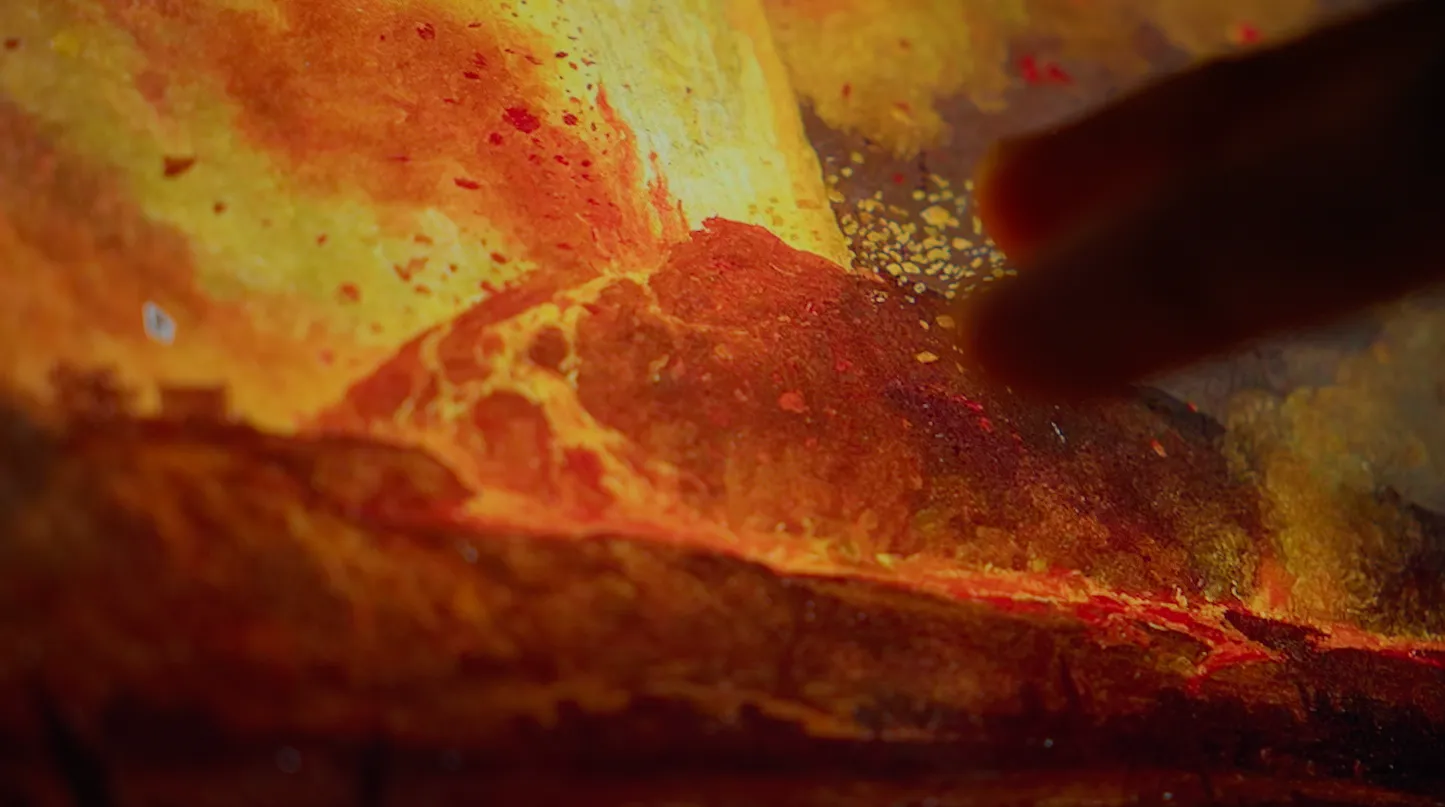
In AD 79, the eruption of Mount Vesuvius buried the Roman cities of Pompeii and Herculaneum beneath layers of volcanic ash. The eruption brought an abrupt end to a thriving commercial centre that had been home to thousands of people, businesses, workshops, merchants, and artisans. For centuries, the city remained hidden until archaeological excavations gradually revealed streets, homes, workshops, and inscriptions that offered an extraordinary glimpse into everyday Roman life.
Among those discoveries were references to Umbricia Fortunata. Nearly two thousand years after her lifetime, historians are still able to identify her name and connect it to one of Pompeii's most successful commercial industries.
While countless businesses have disappeared throughout history without leaving a trace, evidence of hers remained preserved long enough to become part of the historical record. That simple fact fascinated us.

We are not inspired by ancient Rome itself, nor are we attempting to romanticize the past. We are inspired by something much simpler. Recognition can outlive the business that created it.

For every business remembered centuries later, countless others have been forgotten. The difference is rarely luck. Businesses become memorable because they contribute something valuable, build genuine reputations, and leave behind evidence of the work they performed.

Today, that evidence no longer exists only in stone inscriptions or archaeological excavations. It exists through websites. It exists through articles. It exists through photography and videography.

It exists through customer reviews. It exists through search engines, answer engines, and artificial intelligence. Every interaction contributes to the digital record a business leaves behind.

The modern business landscape looks very different from the marketplaces of Pompeii, yet the underlying challenge remains remarkably familiar. Every business wants to be known. Every business wants to be trusted. Every business wants to become the obvious choice when someone needs the solution it provides.
The methods used to achieve those goals have evolved dramatically over the centuries, but the objective itself has remained constant. In the past, reputation spread through communities, merchants, and trade routes. Today, it spreads through search engines, online reviews, websites, artificial intelligence, recommendations, and digital media. Technology has changed the way information travels. It has not changed the importance of earning recognition.
This is why our philosophy extends far beyond building attractive websites or improving search rankings. Those are important outcomes, but they are not the destination. The destination is helping businesses communicate their value clearly enough that they become recognized authorities within their industries and communities. Recognition is not created overnight. It is earned through consistent value, honest communication, meaningful work, and a reputation that continues to strengthen over time. That philosophy existed long before digital marketing. It will continue to exist long after today's technologies evolve into something new.
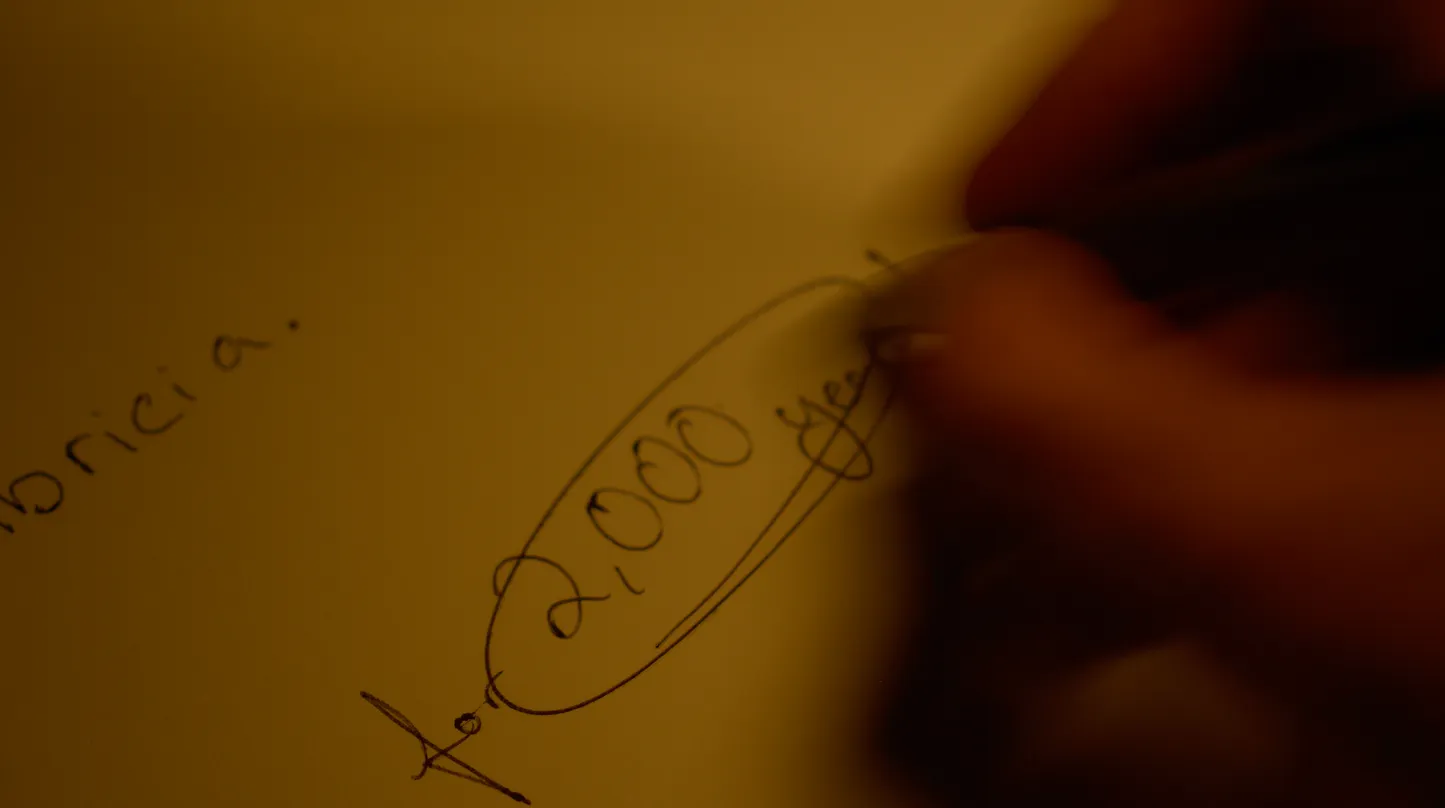

When we began building Umbricia, we were not searching for a name that simply sounded distinctive. We were searching for a name that represented the philosophy we wanted this business to embody.
The story of Umbricia Fortunata reminded us of something surprisingly timeless. Nearly two thousand years have passed since she lived and worked in Pompeii, yet her name continues to appear in historical records because it became associated with a real business, serving real people, creating something of genuine value. That observation became the foundation of our own philosophy. Not because we are attempting to recreate the past, but because the principle remains remarkably relevant today. Meaningful businesses deserve to be remembered.
Throughout this website we have discussed brand positioning, websites, user experience, search engine optimization, answer engine optimization, generative engine optimization, artificial intelligence, storytelling, photography, videography, content creation, and marketing strategy. At first glance, these appear to be separate disciplines, each solving a different problem. To us, they are all working toward the same objective.
Helping valuable businesses become understood. A brand positioning strategy helps a business understand who it is and the value it provides. A website communicates that value clearly. Search engine optimization helps people discover that value. Answer engines and artificial intelligence help recommend that value to the right audience. Storytelling gives that value a human voice. Photography shapes how that value is perceived. Videography brings that value to life. Content demonstrates that value through education and expertise. Marketing strategy ensures that value reaches the people who genuinely need it. Different disciplines.
One philosophy. Helping businesses become recognized authorities within their communities through meaningful communication and genuine value.
Modern marketing often encourages businesses to chase attention. The latest trend. The latest platform. The latest algorithm. The latest viral moment. While attention can certainly create opportunities, attention is rarely permanent. What captures the public today is often forgotten tomorrow. Recognition is different. Recognition is earned gradually through consistent work, honest communication, meaningful expertise, and trust that compounds over time. It cannot be manufactured overnight, and it cannot be sustained through shortcuts alone.
This belief influences every decision we make at Umbricia. We are less interested in helping businesses become temporarily visible than we are in helping them become genuinely memorable.
The tools surrounding business will continue to evolve. Websites will evolve. Search engines will evolve. Artificial intelligence will evolve. Marketing will continue to evolve in ways none of us can fully predict. Human behaviour, however, changes far more slowly. People will continue searching for businesses they trust. They will continue looking for expertise. They will continue choosing organizations that communicate clearly, demonstrate genuine value, and consistently deliver on their promises. Technology changes. The principles behind meaningful businesses do not. That is why we chose the name Umbricia.
Not because it represents the past, but because it reminds us that businesses built upon genuine value have the potential to leave a legacy that extends far beyond the technologies, platforms, and trends of their own time.
If your ambition extends beyond short-term visibility and toward building a business that people genuinely understand, trust, and remember, we would be honoured to help you write the next chapter of your story.
