
Videography is one of the most powerful communication tools available to modern businesses. It allows organizations to communicate expertise, processes, values, experiences, and personality in ways that are often easier to understand, easier to feel, and easier to remember than text alone.


Many businesses view videography as a creative service. They think about cameras, editing software, cinematic visuals, drones, lighting equipment, and production quality. While these elements certainly contribute to the final product, they are not the reason videography matters. The true value of videography lies in communication.

At its core, videography is a medium that allows businesses to communicate information, experiences, expertise, and ideas through motion, sound, pacing, visual storytelling, and human expression. It combines multiple forms of communication into a single format, creating opportunities that simply do not exist through text or photography alone.

A website page can explain a process. A photograph can capture a moment. A video can show the process, explain the reasoning behind it, demonstrate expertise, communicate emotion, and reveal the people involved all at the same time. This ability to combine multiple layers of communication is what makes videography uniquely powerful.

For businesses, this means video is not simply a visual asset. It is a communication tool capable of helping customers understand services, build trust, and develop stronger connections with the organizations they are evaluating. When approached correctly, videography becomes much more than content. It becomes understanding.



Most communication methods excel at one thing. Text is excellent for depth and detail. Photography is excellent for capturing moments and creating impressions. Audio is excellent for conveying tone and personality. Video combines all of these strengths into a single experience. It allows businesses to communicate information while simultaneously creating emotional context around that information.


This combination is important because customers rarely make decisions using logic alone. They gather information, evaluate options, compare alternatives, and assess expertise, but they also develop impressions regarding trust, professionalism, confidence, and credibility. Video allows businesses to influence both sides of that decision-making process. It helps customers understand what a business does while simultaneously helping them understand who they are dealing with.
This does not mean every video needs to be emotional. Nor does it mean every video should attempt to tell a dramatic story. The value of videography comes from its ability to communicate information in ways that feel more immediate, more human, and more immersive than many other forms of media. When communication and emotion work together, understanding becomes significantly easier to achieve.


Many businesses operate in industries that are difficult for customers to fully understand. The average customer may not understand the complexity behind a custom audio installation, a rehabilitation program, a construction project, a manufacturing process, or a marketing campaign. As a result, businesses often struggle to communicate the expertise, effort, and value that goes into their work.
One of the biggest misconceptions surrounding videography is the belief that video should be the first marketing investment a business makes. In reality, videography is rarely the foundation of a successful marketing strategy. A business still requires clear positioning, a functional website, strong messaging, effective search visibility, and systems capable of converting attention into meaningful business outcomes. Without these foundations, even exceptional video content often struggles to produce lasting results.
At Umbricia, we view videography as an amplifier. It amplifies expertise. It amplifies trust. It amplifies recognition. It amplifies communication. It amplifies stories that already exist within the business.

This perspective is important because it changes the role video plays within marketing. Rather than expecting videography to solve every problem, businesses can use it to strengthen systems that are already functioning effectively.

When strong foundations exist, video becomes one of the most powerful tools available for elevating communication and deepening customer relationships. That is where its greatest value is found.

Storytelling can occur through many forms of communication. Writing tells stories. Photography tells stories. Customer experiences tell stories. Even the design of a website can contribute to a broader narrative about a business. Videography is unique because it combines multiple storytelling tools into a single medium.
Movement, sound, pacing, dialogue, visual composition, music, environment, and human expression all work together simultaneously. This allows businesses to communicate ideas that may be difficult to express through other formats.
A photograph can capture a moment. A video can reveal what happened before the moment, during the moment, and after the moment. A written explanation can describe a process. A video can allow customers to experience the process visually. A testimonial can explain how someone felt. A video can allow viewers to hear the emotion in their voice and observe their reactions directly.
This is why videography can be particularly effective when businesses need to communicate complex ideas. Video helps simplify information by combining explanation and demonstration within the same experience. Customers are not simply being told something. They are seeing it happen. That ability to combine storytelling and demonstration is one of the reasons videography remains such a powerful communication medium.
Trust is one of the most important factors in business. Customers often evaluate multiple businesses capable of solving the same problem, offering similar services, and competing within the same market. In many cases, the deciding factor is not the service itself, but the level of confidence a customer has in the people providing it.
Videography can play an important role in establishing that confidence. While written content can explain expertise and photography can help shape perception, video allows customers to observe businesses in action. They can see how work is performed, how teams communicate, how environments operate, and how standards are maintained. This visibility often reduces uncertainty because customers are no longer relying entirely on claims. They are able to observe evidence.
For service businesses, this can be particularly valuable. Customers are frequently placing trust in expertise they may not fully understand. A patient may not understand chiropractic techniques. A homeowner may not understand construction methods. A business owner may not understand search engine optimization. Yet all of these customers must decide who they trust. Videography helps bridge this knowledge gap by making expertise more visible. Instead of simply saying a business is professional, video can demonstrate professionalism. Instead of claiming attention to detail, video can reveal attention to detail. Instead of describing standards, video can show those standards being applied in real situations.
The result is often greater transparency. Customers gain a clearer understanding of what they can expect, who they will be working with, and why a business operates the way it does. That understanding strengthens trust because uncertainty is replaced with familiarity.

Many businesses possess significant expertise but struggle to communicate it effectively. This challenge is particularly common among highly skilled professionals who spend years mastering their craft. Because expertise feels normal to them, they often underestimate how valuable their knowledge appears from the customer's perspective.
Many businesses possess significant expertise but struggle to communicate it effectively. This challenge is particularly common among highly skilled professionals who spend years mastering their craft. Because expertise feels normal to them, they often underestimate how valuable their knowledge appears from the customer's perspective. Videography provides an opportunity to make that expertise visible. A contractor explaining the reasoning behind a construction decision demonstrates expertise. A technician diagnosing a complex issue demonstrates expertise. A healthcare professional educating patients about a common condition demonstrates expertise. A consultant breaking down a difficult concept demonstrates expertise.
In each of these examples, the value is not created by the video itself. The value already exists within the knowledge and experience of the business. The video simply helps communicate that value more effectively. This distinction is important because it reinforces a principle that appears throughout Umbricia's philosophy. Marketing does not create value. Marketing communicates value. Videography follows the same principle. It does not manufacture expertise. It reveals expertise that already exists.
This often produces stronger results than simply making claims. Customers are naturally skeptical of promotional language because every business claims to be experienced, professional, knowledgeable, and trustworthy. Demonstrating expertise through real examples creates a level of credibility that marketing language alone often struggles to achieve.
People encounter thousands of pieces of information every day. Websites, advertisements, articles, social media posts, emails, presentations, and countless other forms of communication compete for attention. The challenge for businesses is not simply being seen. The challenge is being remembered.
Video possesses several characteristics that naturally support memory. Movement attracts attention. Audio provides context. Visual storytelling creates understanding. Human faces communicate emotion. Narrative creates structure. Together, these elements create experiences that are often easier to remember than isolated pieces of information.
This does not mean every video becomes memorable. Many videos are forgotten almost immediately because they lack purpose, clarity, or relevance. However, when video is used to communicate meaningful ideas, demonstrate expertise, or reveal something valuable about a business, it becomes significantly more likely to leave a lasting impression.
For this reason, videography often plays an important role in broader branding and communication efforts. The goal is not simply to generate views. The goal is to create understanding and recognition that remain with the customer long after the video has ended.
Modern businesses often communicate through digital environments. Customers encounter websites, advertisements, search results, online reviews, and social media profiles long before they ever speak to another human being. While these channels are important, they can also create distance. Businesses begin to feel like logos, websites, and marketing materials rather than collections of real people solving real problems.

Video helps restore some of that humanity. Customers can see faces, hear voices, observe environments, and experience the personality of a business in ways that text and images alone often cannot provide. This creates a stronger sense of familiarity because the business begins to feel more real.
It is important to note that this does not require business owners to become influencers or public personalities. Human connection is not created through constant self-promotion. It is created through authenticity. A business documenting its process can feel human. A team discussing how it approaches its work can feel human. A customer sharing their experience can feel human. What matters is not performance. What matters is connection.
This is one of the reasons videography can strengthen broader branding and communication efforts. When customers feel they understand the people behind a business, trust often becomes easier to establish and relationships become easier to build.
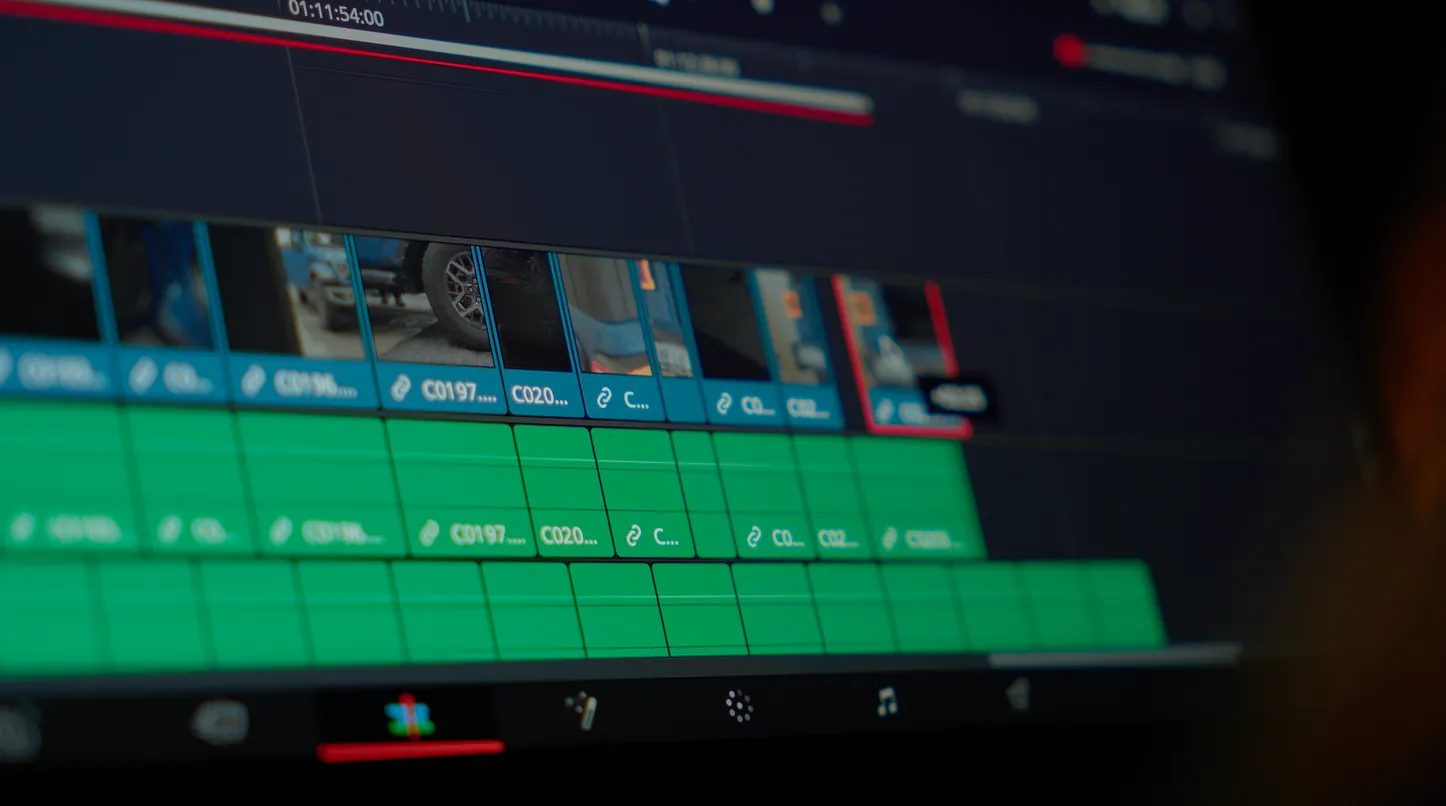
One of the most common mistakes businesses make is focusing on production before purpose. They become preoccupied with cameras, equipment, editing styles, and visual effects before deciding what they are actually trying to communicate.

While production quality certainly matters, beautiful visuals alone rarely create meaningful results. A visually impressive video with no message is still a weak communication tool.
Another common mistake is attempting to imitate trends that have little relevance to the business itself. Businesses often see a popular style of content and attempt to replicate it without considering whether it aligns with their audience, industry, or objectives.

A third mistake is treating videography as a solution rather than a tool. Businesses sometimes expect video to compensate for unclear positioning, weak messaging, poor websites, or ineffective marketing systems.

Video can amplify strengths, but it cannot replace foundations. The most successful business videos are usually supported by strong positioning, strong messaging, and a clear understanding of who the business is trying to reach.
Effective videography begins with communication. Once the message is clear, production quality, storytelling, cinematography, editing, and visual polish can help elevate that message further. Without clarity, however, even the most expensive production often struggles to create meaningful impact.
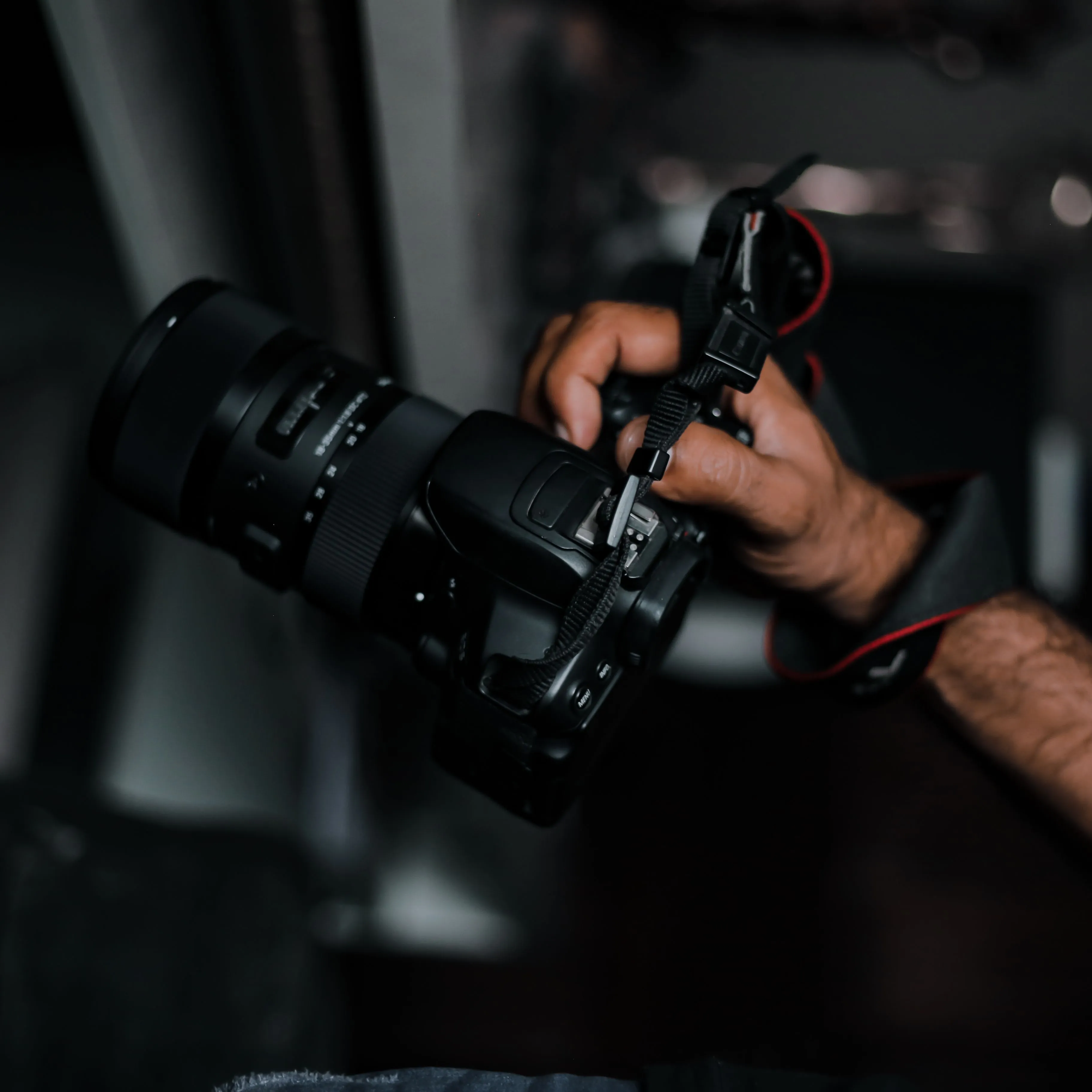
Many businesses approach videography from the wrong direction. They focus on production before communication. Conversations begin with cameras, editing styles, drones, lighting, equipment, and visual effects before anyone has determined what the video is actually trying to communicate. At Umbricia, we believe this often leads to content that looks impressive but says very little.
The purpose of videography is not to showcase production quality. The purpose of videography is to communicate ideas, values, expertise, experiences, and stories in ways that are meaningful to the audience. Production quality can strengthen that communication, but it should never replace it.
This philosophy influences every creative decision we make. Before discussing visuals, we focus on the subject matter. Before discussing equipment, we focus on communication. Before discussing cinematography, we focus on the message. Only after these foundations are established do creative decisions begin to matter. This approach ensures that the final result is not simply visually appealing. It is strategically useful.
The strongest business videos are rarely the ones with the largest budgets. They are often the videos that communicate something valuable, memorable, and meaningful to the people watching them. When communication leads the process, videography becomes significantly more effective as a business tool.


One of the reasons videography is often misunderstood is because many agencies position it as a solution to every marketing challenge. Businesses are led to believe that if they simply produce enough video content, growth will follow automatically.Reality is rarely that simple. A business still requires positioning. It still requires a website. It still requires clear messaging. It still requires search visibility, customer experience systems, and a strategy capable of converting attention into meaningful business outcomes. Without these foundations, videography often struggles to reach its full potential.
This is why Umbricia views videography as an amplifier rather than a foundation. Video amplifies expertise. Video amplifies trust. Video amplifies communication. Video amplifies recognition. Video amplifies stories that already exist within a business. What it cannot do is create these things from nothing.
When a business already has strong foundations, videography becomes incredibly powerful because it allows those strengths to be communicated more effectively. Customers gain a clearer understanding of the business, its values, its expertise, and the people behind it. In this sense, videography is often most valuable after the fundamental marketing systems are already in place.

Videography does not operate independently from the rest of a marketing system. Its greatest strength often comes from how effectively it supports other forms of communication. A website becomes more engaging when it includes meaningful video content. Content becomes easier to understand when supported by visual demonstrations. Photography becomes more powerful when paired with motion and narrative. Storytelling becomes more immersive when customers can see and hear experiences rather than simply read about them. Even search visibility can benefit from educational video content that helps answer common customer questions.
This interconnectedness is important because customers rarely interact with a business through a single channel. They may discover the company through search, visit the website, view social media content, watch a video, read reviews, and eventually make contact. Each interaction contributes to their overall perception of the business. Videography strengthens that ecosystem by helping businesses communicate consistently across multiple touchpoints.
Rather than existing as a separate creative activity, video becomes part of a larger communication strategy designed to build trust, strengthen recognition, and improve understanding. This is where videography creates its greatest value.

One of the most important aspects of strategic marketing is understanding what should happen next. For some businesses, the next step is improving positioning. For others, it may be rebuilding a website, strengthening SEO, developing content, or improving customer experience systems. Videography is not always the first priority.
The businesses most likely to benefit from videography are often those that already possess strong foundations and are looking for more effective ways to communicate their value. These businesses understand who they are. They understand who they serve. They have developed expertise worth showcasing and experiences worth sharing. Their challenge is no longer creating value. Their challenge is communicating that value as effectively as possible.
For these organizations, videography can become an incredibly powerful communication tool. It helps make expertise visible, simplify complex ideas, strengthen trust, and create more meaningful connections with customers. When the foundations are already in place, video often becomes one of the most effective ways to elevate perception and strengthen relationships.
Yes. Video helps customers see the people, processes, environments, and expertise behind a business, making it easier to understand who they are dealing with and what they can expect.
Not necessarily. Photography and videography serve different purposes. Photography excels at capturing moments and creating visual impressions, while videography excels at communication, demonstration, and storytelling through motion.
Some do, some do not. The value of videography depends on the goals, marketing maturity, and communication needs of the business. Strong foundations should generally exist before significant investment in video production is considered.
Videography allows businesses to communicate expertise, processes, values, and experiences in ways that are often easier to understand and more memorable than text or photography alone.
A great business video communicates something meaningful. While production quality can enhance the experience, the strongest videos are built upon clear messages, valuable insights, authentic storytelling, and a genuine understanding of the audience.
When used strategically, videography becomes far more than a creative asset. It becomes a powerful communication tool capable of helping customers understand not only what a business does, but why it matters.
